Introduction to Louis Vuitton Pricing Strategies
In the ever-evolving luxury market, pricing is not just about setting a high price tag; it’s an art form that requires precision, strategy, and deep understanding of consumer behavior. Louis Vuitton, one of the most iconic brands in the world, has long been a beacon of luxury fashion, known for its timeless designs, craftsmanship, and unparalleled exclusivity. However, as the global market continues to shift, so too must its pricing strategies adapt to remain competitive. In this article, we’ll explore how Louis Vuitton approaches its pricing model, what drives its pricing decisions, and why it remains a favorite among luxury-conscious consumers.
Understanding Luxury Brand Pricing
Before delving into the specifics of Louis Vuitton pricing, it’s essential to understand the broader context of luxury brand pricing. Luxury brands operate in a market where prices are often higher than those of mass-market competitors due to the brand’s equity and exclusivity. However, this doesn’t mean that all luxury products are priced at a premium; instead, each product is priced based on its unique value proposition, target audience, and competitive positioning.
Louis Vuitton, like many other luxury brands, uses a dynamic pricing strategy tailored to different markets, product lines, and customer segments. The brand’s pricing reflects not only the cost of production but also its commitment to quality, exclusivity, and brand identity. By carefully considering these factors, Louis Vuitton ensures that its products remain accessible to its core clientele while maintaining the exclusivity that defines its brand.
Louis Vuitton Pricing and Market Positioning
One of the key aspects of Louis Vuitton’s pricing strategy is its alignment with its market positioning. The brand distinguishes itself through its timeless designs, superior craftsmanship, and association with elegance and sophistication. These elements command a premium price because they resonate with a specific demographic seeking exclusivity and quality.
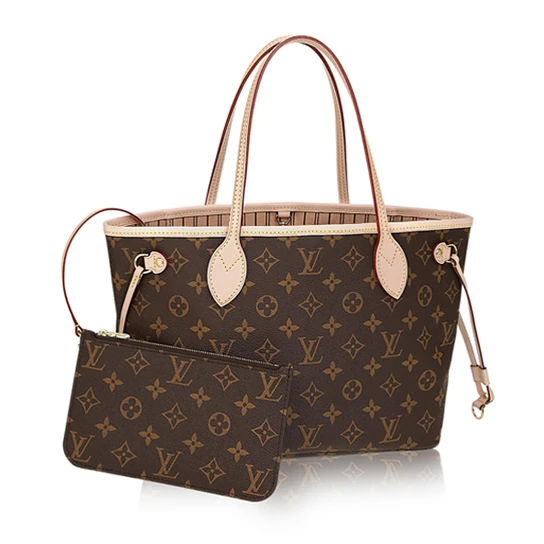
Louis Vuitton achieves this positioning by carefully curating its product lines to reflect different eras of Parisian fashion history. For example, the brand’s iconic shoulder bags are often associated with the Art Deco period of the 1920s or thepostsolidarity50s of the 1950s, each era representing a distinct era in design and culture. By tapping into this rich history, Louis Vuitton creates products that not only reflect their heritage but also appeal to modern consumers seeking timeless fashion.
Louis Vuitton Pricing and Competitor Analysis
To maintain its competitive edge, Louis Vuitton must closely monitor the pricing strategies of its competitors. Many luxury brands in the same category offer similar products at comparable or even lower prices, which can erode a brand’s profit margins. However, Louis Vuitton has historically been able to differentiate itself through superior quality and unique design elements.
For instance, while some competitors may focus on mass production to keep costs low, Louis Vuitton invests heavily in its manufacturing processes to ensure that each product meets the highest standards of craftsmanship and materials. This investment in quality allows the brand to justify its higher prices while still offering value to its customers.
Louis Vuitton Pricing and Consumer Insights
Understanding consumer behavior is a critical component of any pricing strategy, and Louis Vuitton takes this into account when setting its prices. The brand has access to detailed data on customer preferences, purchasing habits, and price sensitivity, which informs its decision-making process.
For example, Louis Vuitton may choose to price certain products higher if it anticipates that the product will appeal to a niche market with a high willingness to pay. Conversely, the brand may opt for lower prices to make its products more accessible to budget-conscious consumers who still value the brand’s quality and exclusivity.
Louis Vuitton Pricing and Seasonal Considerations
Seasonality plays a significant role in shaping Louis Vuitton’s pricing strategy. The brand often adjusts its prices based on factors such as demand, supply chain availability, and consumer trends. For example, during the holiday season or major fashion events like Milan Fashion Week, Louis Vuitton may increase prices to capitalize on higher demand for its products.
Additionally, the brand may introduce limited-edition collections at higher prices to create exclusivity and drive customer interest. These strategies not only help the brand maximize profits but also reinforce its reputation as a trendsetter and innovator in the luxury market.
Louis Vuitton Pricing and Future Trends
Looking ahead, Louis Vuitton is likely to continue refining its pricing strategy based on emerging trends in the luxury market. One area of focus for the brand may be sustainability, with increasing demand for eco-friendly materials and practices driving potential price increases. By aligning its pricing with its commitment to sustainability, Louis Vuitton can further strengthen its brand identity while ensuring long-term profitability.
Another trend to watch is the rise of private-label luxury products in the mass-market sector. As consumers continue to seek authenticity and quality, Louis Vuitton may consider expanding its product line or collaborating with other brands to maintain its leadership position in the market.
Ethical Considerations in Louis Vuitton Pricing
While pricing is a critical aspect of any business strategy, it must also align with ethical considerations. Louis Vuitton has long been praised for its commitment to ethical practices, including fair labor standards and sustainability efforts. By incorporating these values into its pricing strategy, the brand reinforces its reputation as a responsible and forward-thinking luxury brand.
For example, Louis Vuitton may price certain products at higher margins if they feature sustainable materials or ethical production processes. This not only supports the brand’s commitment to ethics but also helps differentiate it from competitors who prioritize sustainability less seriously.
Conclusion: Mastering Louis Vuitton Pricing
In conclusion, Louis Vuitton’s pricing strategy is a masterclass in luxury branding and market intelligence. By carefully considering factors such as brand positioning, competitor analysis, consumer insights, seasonal trends, and ethical considerations, the brand continues to uphold its reputation as one of the most prestigious and innovative luxury brands in the world.
As the global market evolves, Louis Vuitton will undoubtedly continue to refine its pricing strategy, ensuring that it remains at the forefront of luxury fashion. By staying ahead of consumer trends and maintaining its commitment to quality and exclusivity, the brand is well-positioned to capture a growing share of the luxury market while preserving its iconic status.
In the coming years, Louis Vuitton will likely continue to experiment with new pricing models that reflect both its rich history and modern vision. Whether it’s through limited-edition collections, sustainable materials, or innovative product designs, the brand is poised to redefine what it means to be a luxury leader in an ever-changing world.
So, how do you ensure your products stand out? Explore Louis Vuitton pricing strategies today and see how you can create timeless fashion that captures consumer attention while maintaining the exclusivity that defines your brand.
tags:authentic louis vuitton damier hampstead mm,authentic louis vuitton damier backpack,artsy mm louis vuitton bag,authentic louis vuitton addicts